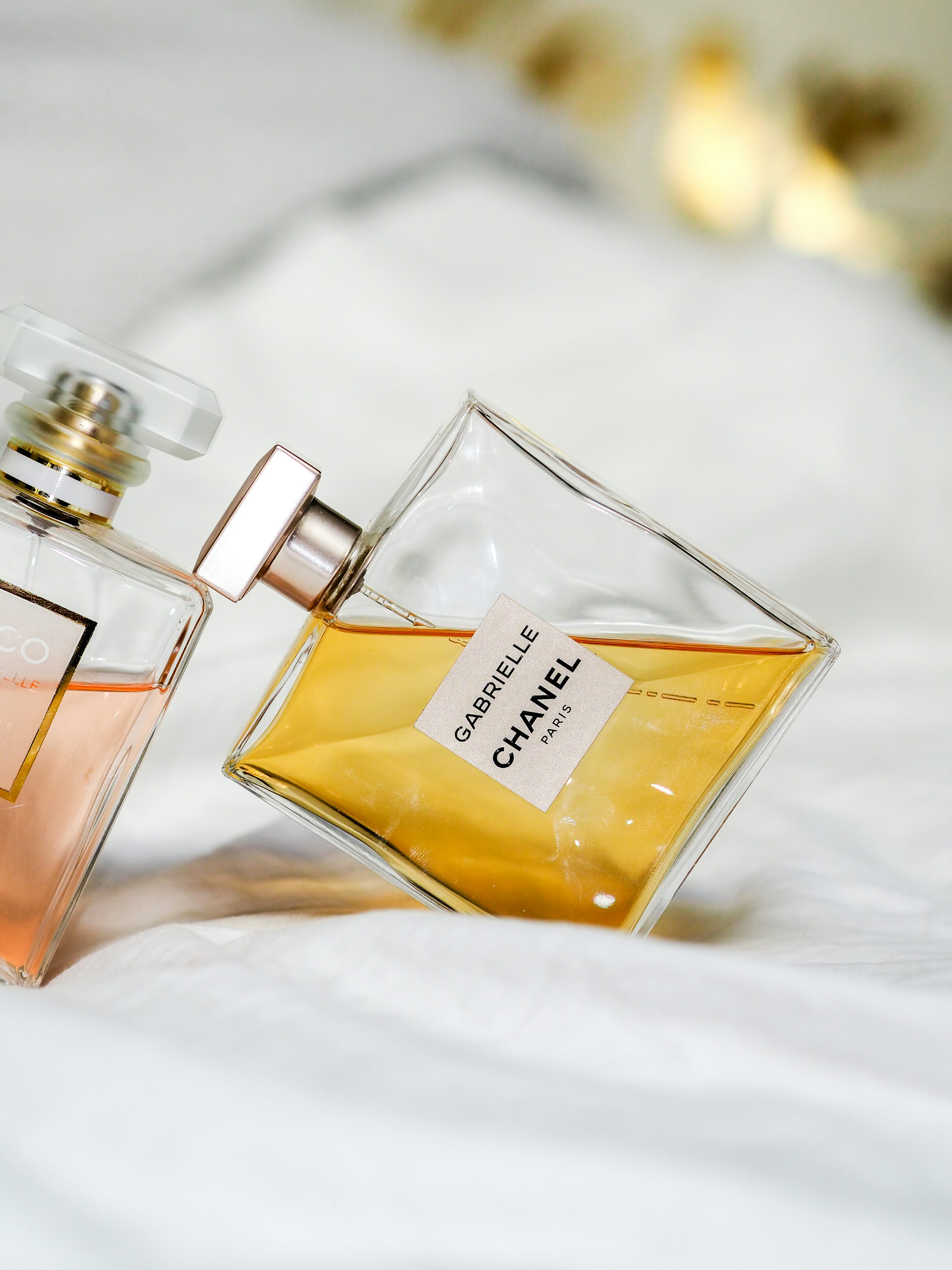
A fragrance brand looking for distribution in the UAE needs more than a list of retailers. It needs a range a buyer can understand, products that can be presented and sampled consistently, and a market-entry plan that separates commercial decisions from local product requirements. For perfume, those pieces are closely connected: the scent is experienced in person, while the bottle, story, price architecture and replenishment plan help the customer decide whether it belongs in a daily routine or a gift.
This brief is for fragrance labels preparing a distributor or retail conversation. It focuses on the decisions to settle before outreach, not on promising access to particular channels or results. Product classification and requirements can differ by product and emirate; confirm the applicable route with the relevant authority and qualified advisers.
Start with the fragrance experience, not the catalogue
A buyer should be able to understand what the range contributes to a shelf or customer offer. Begin by writing one clear sentence about the brand’s point of view: the materials, place, craft, mood or use occasion that distinguishes the collection. Keep that statement grounded in substantiated product facts. Avoid making therapeutic or performance claims unless the brand has verified both the evidence and the rules for making them.
Then map the line in a way that helps a customer explore it. A simple assortment architecture might group products by scent family, intensity, occasion or collection story. Show how the pieces relate, where they differ, and which item is intended to introduce the range. If the business offers body fragrance as well as home fragrance, oils, diffusers or candles, do not present them as interchangeable SKUs: each has a different use context and may follow a different product classification.
The Dubai Municipality fragrance guideline explicitly covers several types of fragrance products, including perfumes, aftershaves, concentrated oils, home fragrances, diffusers and scented candles. Use that scope as a prompt to classify the actual product, not as a reason to assume one registration or one buyer pitch covers every format.
Make sampling and retail presentation part of the plan
Fragrance is difficult to evaluate from a product page alone. For a physical retail proposal, specify how customers will discover the scent: tester availability, sample or discovery formats if offered, scent-family signposting, and concise information that helps staff explain the collection. Treat these as commercial design choices to discuss with the target retailer, not universal retailer requirements.
A buyer-ready presentation should also make the physical product easy to assess. Include clear images of the bottle, carton, closure, label and scale; identify each size and concentration; and show how the pack reads at shelf distance as well as in a close-up. Keep claims and visual styling consistent with what the customer will actually receive. If a brand is proposing gift sets or seasonal packaging, show the complete configuration rather than relying on a mood image.
Plan operational details alongside the experience. State which items are available now, what is a launch-only or seasonal option, how replenishment will be communicated, and who owns tester replacement or product information updates. These are practical discussion points, not assumptions about a particular retailer’s process.
Prepare one product record for each sellable variation
A fragrance range can look simple at brand level while containing many distinct sellable variations. Before presenting it, create a master product record that connects the name and scent description to the precise format, concentration, volume, packaging and market status. Distinguish a new size, reformulation, gift bundle or home-fragrance product from the original item so a buyer, importer and online listing do not describe different versions as though they were the same product.
Bring together the current label artwork, product and ingredient information, origin details, batch identification, barcode where used, approved images, and the exact claims proposed for the shelf and digital listing. The Dubai Municipality fragrance guidance sets out product-registration and label considerations for Dubai. Use the applicable current version to guide a discussion with the responsible local party; do not treat this article as a compliance determination.
This SKU-level discipline also makes launch conversations more useful. A distributor can see what is ready, what needs clarification, and which proposed range or marketing asset is tied to each item. It reduces the chance that a sample, line sheet, product page and shipment refer to different pack versions.
Keep Dubai’s product pathway distinct from wider UAE planning
Dubai Municipality’s published Version 2.0 Technical Guidelines for Fragrance Products, issued on 4 May 2024, state that fragrance products may not be manufactured, imported, exported, advertised, sold or distributed in Dubai unless registered in the Montaji system. The same guideline says related advertising or promotional activity needs pre-approval through Montaji and gives examples including promotional campaigns and social media. Because that is Dubai Municipality guidance, do not present it as a blanket statement of one identical process across every emirate.
For a plan spanning Dubai and other emirates, map the product and activity by destination, responsible importer or local party, sales channel and promotional activity. Confirm the current requirements with the relevant authority for each intended market before setting a launch date or printing final materials. Dubai Municipality’s service directory describes consumer-product registration through Montaji, while its Montaji information explains how consumers can verify registered products. These are useful starting points for Dubai-specific planning.
For a wider product-classification discussion, see EquiBrands’ UAE cosmetics market-entry checklist. It is an adjacent overview; fragrance brands should still verify fragrance-specific requirements.
Build a channel proposal that can be tested
A first distribution conversation should make it easy to discuss fit rather than ask a partner to infer the business case. Prepare a concise range overview, recommended assortment, indicative retail and wholesale economics, launch support, available inventory, replenishment assumptions and the brand’s preferred channel boundaries. Make clear which figures are confirmed and which are planning assumptions.
Where practical, propose a focused pilot rather than an unbounded rollout: a defined assortment, selected channel or location, agreed review point and measures both sides can observe. For fragrance, useful measures may include which scent families customers sample, which products convert, questions staff hear, and whether stock moves evenly or clusters around one item. Agree data access and reporting expectations before launch; a retailer’s sell-through data is not automatic.
Finally, align the launch calendar with the work required to make the range understandable: product information, approved imagery, sample or tester plan, staff-facing scent notes, campaign material and stock readiness. Keep responsibility for each item explicit. A strong brand story is more useful when the customer experience, product record and commercial plan all tell the same story.
Fragrance distribution readiness checklist
Can a buyer explain the brand’s point of view and the role of each scent?
Is every format, concentration, size, set and seasonal variation mapped to its own product record?
Are bottle, carton, label, scale and product images ready for buyer and digital review?
Is there a proposed discovery plan for sampling, testers and staff product information?
Are claims, labels and product details checked against the relevant current market requirements?
Have Dubai-specific registration and promotional steps been distinguished from plans for other emirates?
Are channel economics, launch responsibilities, stock assumptions and reporting expectations clear?
Is the first rollout focused enough to learn from before expanding the assortment?
EquiBrands focuses on brand development and commercial route-to-market planning. Explore the EquiBrands approach or use the button below to start a conversation about the range and intended channels.
Dubai Municipality references
Official source: Technical Guidelines for Fragrance Products, Version 2.0 (4 May 2024).
Official source: Dubai Municipality services — consumer product registration and related services.
Official source: Dubai Municipality’s Montaji information.