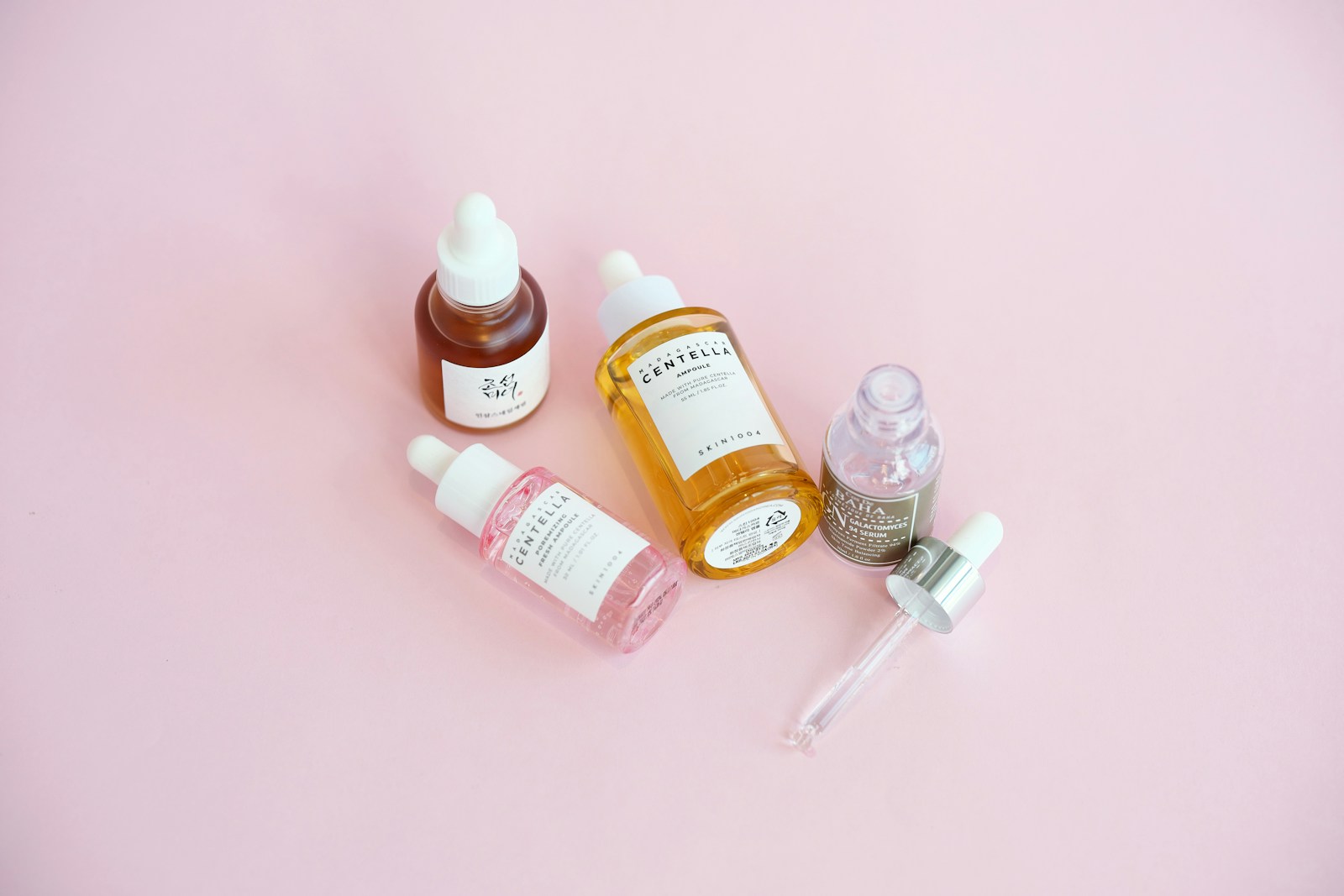
A beauty range should not be treated as one regulatory file simply because every product sits under the same brand. Before a cosmetics launch in the UAE, work SKU by SKU: define what each item is, identify where it will be sold, confirm the relevant authority and route, and agree who owns the application and supporting records. A face cream, perfume, cleanser and supplement may invite different questions even when presented in one collection.
The practical point is geographic as well as product-specific. Dubai Municipality describes Montaji as its consumer-product registration system and names cosmetics, personal care products and perfumes among the categories users can verify. That is useful guidance for a Dubai route, not a blanket statement that one Dubai registration automatically covers every emirate, product type or channel. Build the approval pathway before committing to shipment dates, campaign claims or retailer promises.
1. Define the product before choosing the pathway
Start with the product as it will actually be sold, rather than with a broad category in a brand deck. Record the exact name, format, intended use, formula or composition, pack size, manufacturer, country of origin, label artwork and claims for each SKU. Note whether it is a cosmetic or personal-care item, fragrance, supplement, device, or another kind of consumer product. If a product sits near a boundary—for example, because its claims suggest a therapeutic effect—ask the competent authority how it should be classified before relying on a general assumption.
Treat meaningful formula, name, packaging or claim changes as a review trigger. A refreshed label can make the product information inconsistent with a prior submission; a new scent or size may be a distinct SKU in a portal or retailer system. Keep one controlled product master so that regulatory files, packaging, ecommerce pages and partner catalogues use the same identifiers and descriptions.
2. Map the emirate and competent authority
For a Dubai launch, Dubai Municipality’s official services include Montaji consumer-product registration and product-related import/re-export services. Its 2025 product-safety notice describes Municipality oversight of cosmetics, personal care products and perfumes traded across Dubai. Confirm the current service, category and documents for the specific product and route directly with the authority before shipment. Dubai Municipality services and its product-safety overview are practical starting points.
For sales beyond Dubai, do not copy that process by assumption. Identify the emirate of import, storage and sale, the importer’s licensed activity, and the local or federal requirements that apply to that product. UAE business establishment and licensing steps can vary with the emirate, business activity and chosen jurisdiction. Make a simple authority map with one row per launch geography: regulator or municipality, product-registration route, importer, evidence needed, and who will confirm acceptance.
The Ministry of Industry and Advanced Technology’s ECAS service is for products subject to applicable technical regulations. Its existence does not mean every cosmetics item needs an ECAS certificate; check the regulated-product scope for the exact SKU. MoIAT’s ECAS service explains the conformity route for regulated products.
3. Assemble a consistent SKU file
A clean file saves time because the same facts can support authority review, importing, retailer onboarding and ecommerce publication. For each SKU, maintain a version-controlled folder containing the final all-side pack artwork, product identifiers, manufacturer and importer details, formula or ingredient information, product purpose, claim wording, available test or conformity evidence, and any documents the relevant authority requests. Keep working drafts clearly separate from approved packaging so an outdated label does not accidentally become the version supplied to a distributor.
Dubai Municipality’s published technical guidance for consumer-product ecommerce gives a useful example of why a fixed universal checklist is risky: for cosmetics, personal-care products and fragrances, it describes product artwork and alternative supporting evidence routes, while noting additional documents may be requested. Read the current guidance for the actual category and transaction rather than treating that example as a promise of what every submission will require.
4. Check claims, labels and digital content together
The carton, product page, marketplace listing, influencer brief and retail training sheet all shape the customer’s understanding. Create a claims register that records each express or implied benefit, the evidence supporting it, the wording approved for each market, and the person responsible for sign-off. Avoid translating a claim into stronger language than the substantiation supports. Where a product makes therapeutic, health or unusually strong performance claims, pause for specialist classification and review.
Prepare a final label review that compares pack copy with the product master: name, size, ingredients or composition, origin, batch and shelf-life information where applicable, usage directions, warnings and responsible business details. This is a readiness exercise, not a substitute for the current local labelling standard. Confirm language, format and required particulars with the applicable authority or qualified compliance adviser before printing a large production run.
5. Assign importer and partner responsibilities
Write down who will act as importer, who will hold the local business licence, who submits product information, who pays applicable testing or portal charges, who retains the supporting dossier, and who notifies the other party when a formula, factory, label or claim changes. Agree how product listings are kept aligned across a brand site, retailer systems and marketplaces. These details protect launch continuity even where the brand and distributor divide work across different organisations.
Be precise about the commercial structure as well as the operational one. A distributor, reseller, representative and registered commercial agent are not interchangeable labels. The Ministry of Economy and Tourism maintains the UAE’s commercial-agency legislation resources; a specific agreement should be reviewed by qualified UAE counsel to determine which legal framework and registration considerations apply. This article is general planning information, not legal advice.
See the Ministry of Economy and Tourism’s commercial-agency legislation resources when preparing questions for professional review.
6. Build a go-to-market budget around approval dependencies
Model the route to market only after product classification and authority questions are clear. Your cost sheet may need to account for product testing or evidence, translation and artwork changes, application or release fees, import and customs handling, storage, channel margins, ecommerce content, sampling and replenishment. The amount and applicability of each item depend on the product and route, so use current official service pages and supplier quotations rather than a generic launch benchmark.
Then sequence commercial commitments around the evidence gates: confirm the SKU scope, obtain authority guidance, complete the dossier, validate the importer and route, and only then finalise channel dates and consumer-facing promises. A retailer discussion can proceed earlier, but represent approvals accurately and make launch dates conditional where the required review is not complete.
Pre-distribution checklist
List every product and variant by exact SKU, formula, intended use and claim.
Choose the target emirate, sales channel, importer and licensed activity for each route.
Ask the relevant authority to confirm classification, submission path and current documents.
Reconcile pack artwork, ingredients, claims, identifiers and online product data.
Assign ownership for applications, evidence records, updates and partner notifications.
Review distributor or agency terms with qualified UAE counsel where needed.
Build a cost and launch calendar with approval, import, listing and replenishment dependencies.
A considered UAE cosmetics launch begins with product truth, not a country-wide shortcut. When each SKU, geography and responsibility is explicit, the brand can plan distribution with fewer avoidable surprises and make commitments it can substantiate.
For a restrained conversation about consumer-brand positioning and practical routes to market, explore EquiBrands. Representation and distribution arrangements are assessed case by case and remain subject to applicable commercial and regulatory requirements.
Official references
Dubai Municipality: Register Consumer Products (Montaji); Product safety at Beautyworld Middle East 2025
MoIAT: Issue conformity certificates for regulated products (ECAS)
UAE Government: Steps to start a business on the mainland
UAE Ministry of Economy and Tourism: Commercial agency legislations