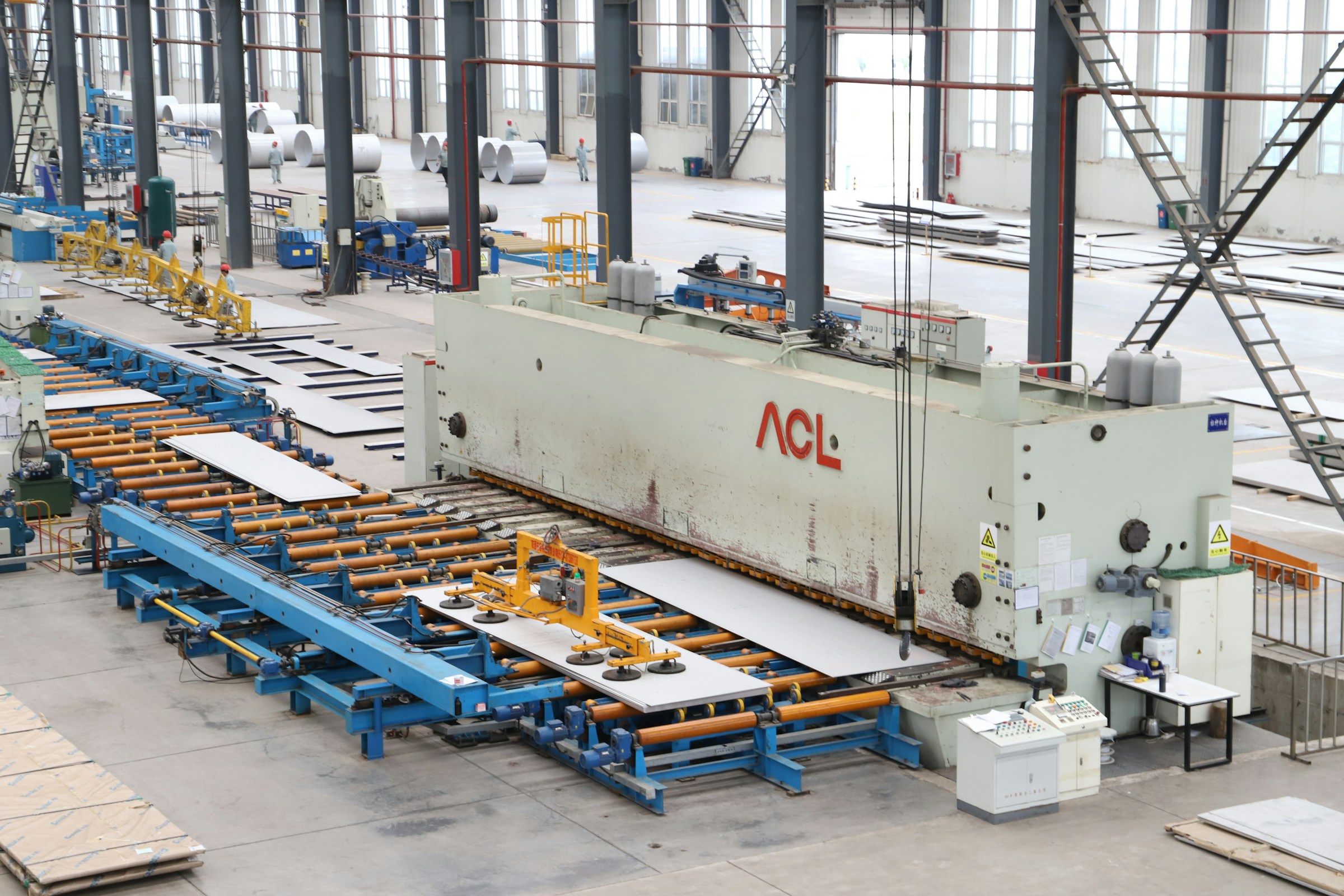
Manufacturing photography in the UAE is most useful when it shows how a company actually works—not just what its machines look like. A carefully planned image library can help buyers, partners and prospective employees understand a facility’s people, processes and outputs. The key is to plan each photograph as evidence of a real capability while protecting safe operations, confidential information and the people appearing in the frame.
That approach fits a wider national context: the Ministry of Industry and Advanced Technology’s Operation 300Bn strategy identifies manufacturing as a priority and supports the reputation of products made in the UAE. For an individual manufacturer, however, a credible visual story starts with its own facts, approvals and audience—not broad claims about the sector.
Start with the business question, not the shot list
Before arranging a camera visit, identify who will use the photographs and what they need to understand. A procurement team may need confidence in process control or product range. A potential partner may want to understand the facility’s capabilities. A recruitment audience may need a realistic view of the workplace and the roles people perform. One image set rarely answers all three audiences equally well.
Turn the business need into a short visual brief. For every intended use, state the question the image should answer, the real proof available at the site, and any claim that must not be implied. For example, if a manufacturer wants to show precision, decide which approved details genuinely demonstrate it. Avoid captions or compositions that suggest a certification, capacity, customer relationship or quality outcome unless the company can substantiate and approve that claim.
EquiFilms describes its offer as both film and photography. For a related approach to planning people-focused business imagery, see the earlier UAE corporate photography brief.
Build a visual sequence that explains capability
A useful factory image library works like a guided visit. It should give viewers a sense of place, then help them understand the work, the people and the finished output. Instead of collecting unrelated frames, plan a sequence with distinct purposes:
Context: an exterior or wide interior view that establishes the setting, subject to site approval and any restrictions.
Process: a truthful view of a production stage, selected with the operations team so the image does not interrupt work.
Craft and detail: close views of materials, components, tools or inspection points that are approved for public use.
People: workers or specialists shown in authentic roles, with their awareness, permission and dignity respected.
Output: a finished product or approved dispatch-ready item that links the process to what the business makes.
The sequence need not document every production step. It should make the company easier to understand. Select frames that can stand on their own in a capability page, sales presentation or company profile, while also working as a coherent set. If a process detail is sensitive, replace it with a broader environmental view or a non-confidential detail—not a misleading recreation.
Plan around a working site and its safety rules
A manufacturing facility is an active workplace, not a neutral studio. Agree the visit with the site owner or authorised host and a designated operations contact. Confirm permitted areas, access conditions, timing, visitor induction, supervision, equipment restrictions and the site’s current health-and-safety requirements before the shoot. These details vary by facility and should be confirmed directly; a photographer should not assume that access to one area includes the rest of the premises.
The visual brief must never override safe work. Do not ask employees to repeat a task, remove protective equipment, enter a restricted area or pose in a way that changes normal work conditions. If a scene cannot be photographed safely as it naturally occurs, choose another angle or omit it. A credible image is not worth creating an unsafe moment.
The UAE Government’s visitor guidance advises people not to photograph others without their permission and notes that certain government buildings and military installations must not be photographed. Treat that as a minimum awareness point, not a substitute for the facility’s own rules or any required approvals. Confirm the applicable route with the host and relevant authority for the specific location, especially if the brief includes controlled or public locations.
Keep confidential and proprietary details out of frame
Operational photography can reveal more than the main subject. A control screen, whiteboard, shipping label, customer name, production schedule, technical drawing, badge, reflection or background workstation can disclose information unintentionally. Ask the host to identify restricted information before the session and review frames at full size before selecting them for publication.
Set clear boundaries for post-production. Cropping or removing an incidental sensitive detail may be appropriate when authorised, but editing should not create a false impression about the process, product or workplace. If a photograph needs extensive alteration to appear usable, it may be better to choose a different frame. Keep a simple approval record connecting selected images to their permitted uses, any employee releases, and agreed credit or caption requirements.
Brief the image library for the channels that need it
A hero image for a website, a horizontal capability-page banner and a portrait social crop have different framing needs. Identify those uses before photography begins. Ask for a balanced set of wide, medium and detail compositions, and note which images need clean negative space for design. Keep original files and agreed delivery formats organised, and label images with useful subjects rather than vague names such as “factory-final-2.”
For manufacturers working across sales, recruitment, press and owned channels, a planned library is easier to reuse than a folder of uncategorised files. Record who approved the images, what the captions may say, and whether the permitted use is internal, public or campaign-specific. This is a practical asset-management habit; it does not replace professional review of contractual or regulatory requirements.
A pre-shoot checklist for UAE manufacturers
Name the audiences and business questions the photographs must serve.
List the real capabilities that can be shown and the claims that must be avoided.
Confirm facility access, permitted areas, host contact, induction and site-specific safety requirements.
Agree how employees will be informed, photographed and asked for permission.
Identify confidential screens, labels, drawings, customer references, badges and background details.
Choose website, presentation, press and social formats before framing is decided.
Set review, caption, credit, file-delivery and approval responsibilities.
A well-planned manufacturing image library gives a company a clearer way to explain its work while respecting the realities of a live facility. It should be accurate, safe to make, approved for its intended use and useful long after the shoot day.
For the photography and film capabilities of EquiFilms, share your audience, intended uses and site requirements to start a focused conversation.