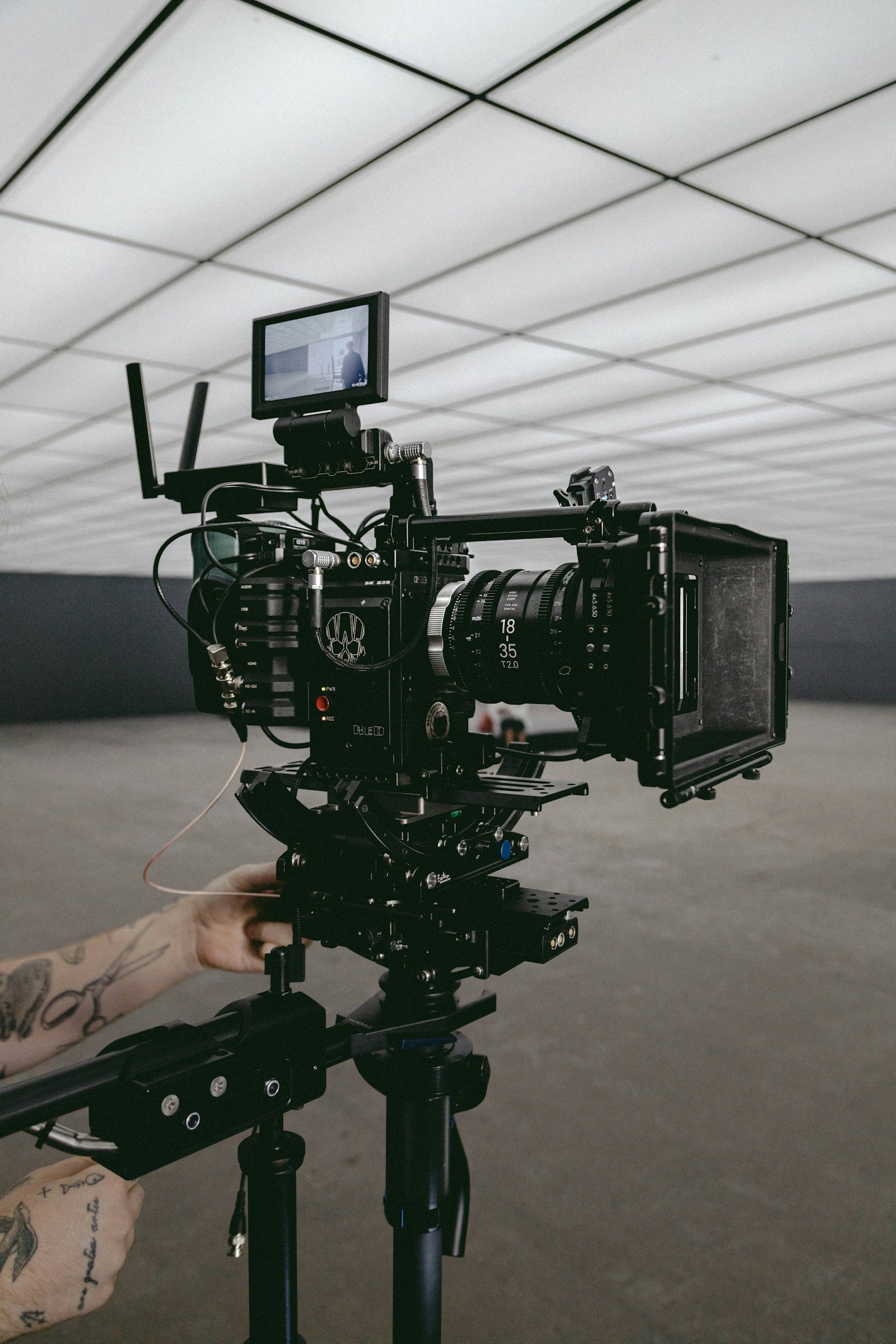
Corporate photography in the UAE works best when it is treated as a communication system, not a collection of attractive portraits. A useful brief connects every image to a business purpose: showing how a team works, making a place feel credible, explaining a service, supporting recruitment, or giving a campaign a consistent visual language. The photographer can then make deliberate choices about people, light, locations, styling, and formats instead of guessing what the business may need later.
This approach is particularly valuable in the UAE, where a single assignment may need to serve a website, a pitch deck, social channels, employer-branding material and press coverage. The strongest results come from deciding those uses before the shoot, then producing a controlled library of images that feels coherent wherever it appears.
Start with the business job of the images
A request such as “we need new company photos” is too broad to guide production. Start by naming the decisions the images should help a viewer make. A corporate profile may need to establish expertise and trust. A hospitality brand may need to communicate atmosphere and service. A manufacturer may need to show process, precision and people at work. An employer-branding brief may need warmth, collaboration and a believable sense of place.
Write one primary objective and a short list of secondary uses. This prevents the shoot from becoming a random set of headshots and makes review much faster. It also gives the photographer a clear standard for deciding whether a frame is useful, not just whether it is technically attractive.
Build a brief that a production team can actually use
A professional brief should describe the audience, the message, the people or products that must appear, and the environments that support the story. Include brand references, preferred colour and contrast, wardrobe boundaries, must-have compositions, and examples of imagery that the business considers too generic.
Primary audience and the action you want them to take after viewing the images.
Priority deliverables, such as leadership portraits, team interactions, workplace details, products, facilities or campaign stills.
Where each image will be used, including website sections, social crops, presentations, press, recruitment and print.
Required orientations and safe space for text so images can be adapted without awkward cropping.
People, products, locations and brand details that must not be shown.
Review owners and the person authorised to approve final selections.
The brief does not need to dictate every frame. It should give the creative team enough context to make good choices while leaving room for visual discovery.
Plan locations for meaning, access and consistency
A location is not merely a background. It tells the viewer how a company operates. A boardroom suggests one message; a working floor, studio, laboratory or client-facing environment suggests another. Choose spaces that are truthful, visually controlled and practical for the crew.
The Abu Dhabi Film Commission’s official location guide is a useful reference for thinking in visual categories such as city, modern architecture, coastlines, desert, nature, mountains, and backlots or studios. Even when a stills assignment is not a film production, this way of categorising locations helps a team build variety without losing a coherent visual world.
Explore the Abu Dhabi Film Commission location guide
Confirm access, cleaning, noise, power, parking, lift restrictions, security rules and weather exposure before the shoot. If a public or managed location is involved, permissions should be treated as part of the schedule rather than an afterthought. For productions that include moving image, the Abu Dhabi Film Commission’s published guidance also points to the importance of permits and production insurance; the same discipline is sensible for larger commercial stills assignments.
Review the Abu Dhabi Film Commission rebate guidelines
Make people look credible, not over-directed
Corporate photography becomes more persuasive when people appear engaged in believable work. That does not mean leaving everything to chance. Give subjects a simple action, a reason to look somewhere, or a conversation to have. Keep direction specific and calm: where to stand, what to do with their hands, when to pause, and what the image needs to communicate.
Plan a mixture of hero portraits, wider environmental frames, two-person interactions and detail images. This creates a useful rhythm for web pages and campaigns. Avoid manufacturing claims through staged scenes that imply services, equipment, clients or outcomes the company cannot substantiate.
Treat privacy, permissions and context as part of quality
A polished image can still create a problem if it reveals personal information, confidential screens, access credentials, private documents or people who have not agreed to appear. Build a release and approval process appropriate to the assignment, and check backgrounds as carefully as the subjects in front of the camera.
The UAE’s official media-regulation guidance is a useful reminder that media work sits alongside responsibilities around privacy, personal data and respectful representation. It is not a substitute for project-specific legal advice, but it reinforces why a professional production should identify consent, usage and sensitive details before images are published.
Read the UAE government media-regulation guidance
Specify the deliverables before the shutter clicks
Ask for a delivery plan that matches real publishing needs. A website hero image may need a wide composition with clean negative space. Social channels may need vertical crops. A press image may need a balanced horizontal frame. Decide whether you need retouched high-resolution masters, web-ready versions, alternate crops, colour variants, or a small set of images cleared for quick editorial use.
Agree on naming, file formats, colour profile, backup and handover. Define whether the photographer is delivering a curated selection or every usable frame, and who owns final selection. Clear deliverables prevent the common situation where a business receives beautiful images but not the sizes or compositions its channels require.
A practical corporate photography checklist
One primary business objective and a defined audience.
A written shot list with room for controlled creative discovery.
Confirmed locations, access, permissions, weather plan and contingency space.
Subject list, wardrobe guidance, consent and an approval owner.
Brand references for tone, colour, contrast and retouching.
Required orientations, crops, resolutions and usage contexts.
A privacy check for screens, documents, addresses and bystanders.
Delivery, selection, backup and file-naming requirements.
EquiFilms approaches photography and film as connected disciplines: stills can carry a campaign’s visual identity while motion extends the same world into story and sound. To see how EquiGroup’s companies fit together, visit the
When the brief is ready, the next step is a production conversation grounded in audience, location, access and deliverables rather than a generic package. That is how a photography session becomes a reusable business asset instead of a folder of disconnected images.