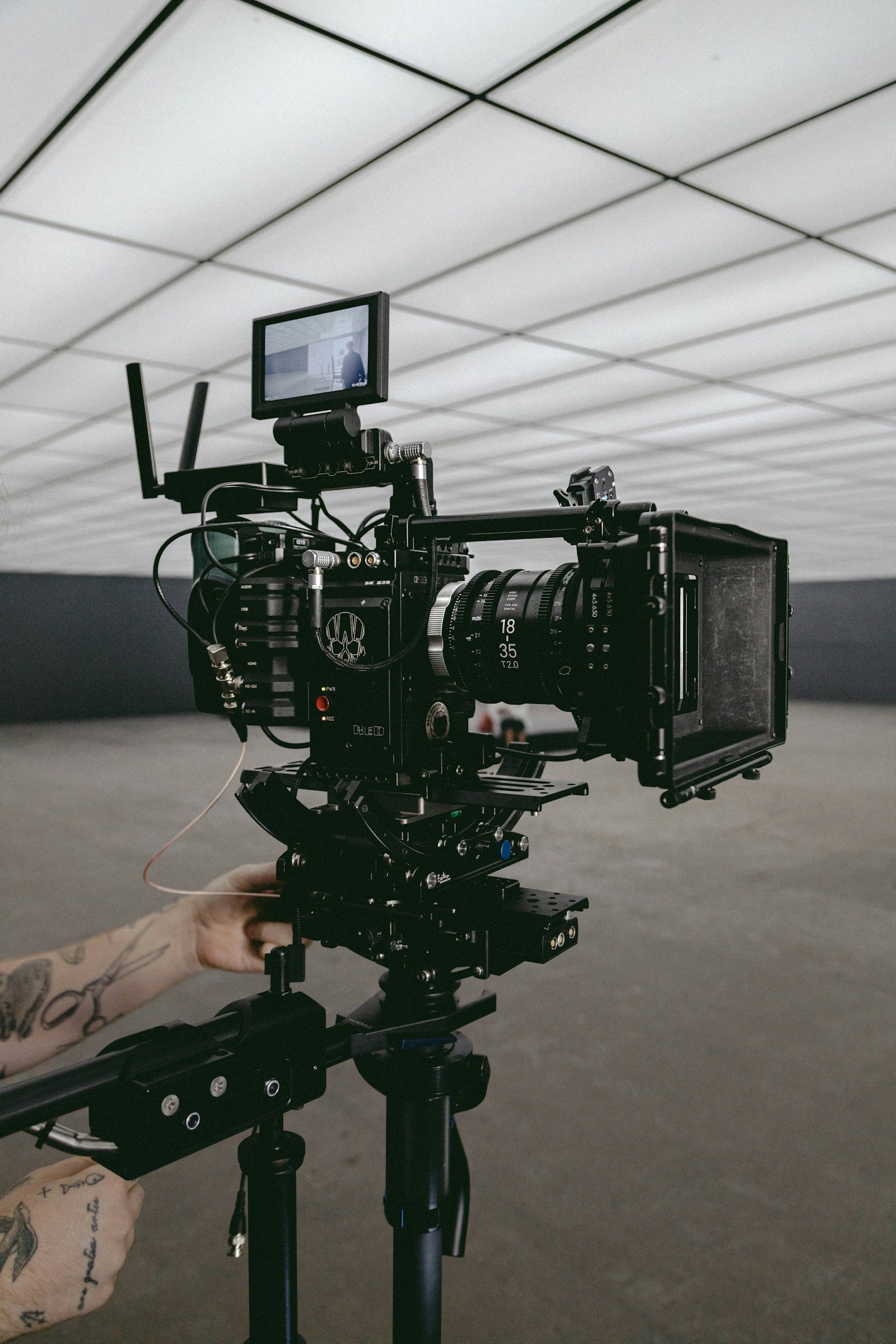
Vertical video production works best when the concept, camera composition and platform interface are considered together—not when a finished horizontal film is simply cropped. For UAE commercial productions, a clear vertical brief helps keep the central action legible on a phone, leaves room for platform controls and makes language versions easier to plan. Start with the intended placement, frame the story for that screen, then check the export against the current platform preview.
A vertical master can support multiple edits, but it is not automatically a universal file for every social format. Reels, TikTok and YouTube Shorts each have publishing and advertising rules, and interfaces change. State whether the deliverable is organic content, paid advertising or both, and list the exact placements that need to work.
Choose the placement before designing the shot
“Social video” is not a sufficiently precise format direction. Ask the media or marketing team for the destination platform, organic or paid use, audience language, intended duration, captions, call to action and any alternate placements. A vertical 9:16 composition is a common starting point for mobile-first work, but the current specifications for each placement govern final delivery.
This choice affects more than export dimensions. It changes where a person or product sits in frame, how much headroom is useful, whether an action reads on a narrow screen and where copy can sit without competing with the subject. It also helps the director decide which moments need a vertical-specific take rather than a crop in post.
If a campaign needs a landscape master too, plan the two compositions as related versions. Identify which shots can serve both and which require separate camera positions, blocking or lens choices. A centre-cropped landscape frame may keep the subject but lose context, gestures or product detail near the sides.
Compose for the phone, not for the crop tool
Think in layers: the focal subject, the action around it, and the background information that gives the moment meaning. In a narrow frame, simplify the background and make the primary action readable without asking viewers to scan from side to side. For a product film, show a feature through a deliberate movement or interaction; for a person-led story, leave room for natural gesture and eye-line.
Plan coverage in the same orientation. A sequence might include an establishing vertical view, a closer detail, a demonstration or reaction, and a clean transition to the next beat. There is no universal shot count; the idea determines what is useful. Capture intentional variety while keeping the product, person or action inside the composition the final placement requires.
Movement needs the same discipline. A lateral move that feels graceful in a wide frame can push the subject out of a vertical one. Rehearse with a framing guide on the monitor, then check the start, middle and end of the action. Leave editorial handles, but avoid recording so loosely that the subject becomes too small to read on a phone.
Protect the story from interface overlays
Buttons, captions, account information and calls to action occupy part of the viewing area. TikTok says safe-zone dimensions vary with aspect ratio, caption length and interactive add-ons; it provides placement-specific templates and a preview tool. Meta also advises placing key messages within the Reels safe zone. Avoid relying on a generic template or remembered margins.
Use the latest safe-zone overlay for the exact placement and ad type. Keep faces, product labels, logos and essential copy away from areas that may be covered. Preview with the intended caption and interface, since longer text or extra controls can reduce usable space. A clean frame is not necessarily a safe frame once it appears in the app.
Plan English and Arabic versions in the frame
If an execution will carry English and Arabic, consider language treatment during storyboards and production design. Arabic reads right to left, so a mirrored layout or assumed left-to-right sequence can feel awkward. TikTok’s advertising specification page provides separate safe-zone files for Arabic-region and standard left-to-right versions. Review each language version in its own template instead of treating translation as a final graphics-only task.
Where dialogue carries the message, decide whether the edit needs subtitles, open captions or a separate localized version. Keep the spoken line, caption length and image readable together. If the story depends on on-screen copy, design a concise message hierarchy before the shoot so the camera leaves intentional space for it. The visual should remain understandable when first viewed on a small screen.
Build coverage around the opening and ending
The opening image should establish what the viewer is seeing quickly. Begin with a meaningful action, product detail or human moment rather than unnecessary setup. This is a creative choice, not a promise of platform performance. The sequence still needs a beginning, development and resolution; removing all context can make a fast opening confusing.
Plan the ending with equal care. A final product frame, visual payoff or next step needs time and clear space to register. If the placement adds its own button or prompt, avoid duplicating it with unrelated graphic clutter. Specify the end card or clean plate needed for each version so post-production does not have to rebuild the finish under deadline.
Review the files in their real viewing context
Reviewing a vertical export only on a large editing monitor can conceal issues with scale, text size and edge detail. Watch it on a phone at ordinary viewing distance, with sound on and off if the message must work both ways. Check that captions are not clipped, faces remain visible, product detail survives compression and the visual still makes sense when controls appear.
Match the delivery list to the campaign plan. Aspect ratio, duration, frame rate and codec requirements should come from the client’s current platform and media specifications, not a fixed assumption. YouTube currently accepts Shorts with square or vertical aspect ratios and durations up to three minutes; TikTok’s ad specifications vary by campaign type. Save the preview and note the approved version so a later replacement does not reintroduce a crop or overlay issue.
A vertical-production brief checklist
Name every intended placement and whether the video is organic, paid or both.
Confirm current aspect ratio, duration, codec and resolution requirements for each ad format.
Attach the safe-zone template and include captions or interactive elements in previews.
Storyboard for a narrow frame; mark the focal action, product detail and space for copy.
Identify shots shared with landscape edits and shots needing a vertical-specific setup.
Plan English and Arabic supers, captions or end cards before production design is locked.
Review opening and ending on a phone with the intended interface and sound conditions.
List approved deliverables and versions in the handoff, with a named reviewer.
Make the format serve the idea
A vertical frame is not merely a narrower canvas; it changes how the audience meets the story. When placement, safe zones, language and action are part of the brief, production can create a deliberate mobile-first film rather than a compromised crop. If a project needs vertical and landscape versions, decide early where one setup is enough and where a separate composition will protect the message.
EquiFilms brings film production and photography together around narrative clarity and considered creative direction. If you are planning a commercial film for mobile placements in the UAE, explore the EquiFilms approach or contact EquiGroup to discuss the brief.
Authoritative platform references
Meta for Business: Instagram and Facebook Reels advertising
TikTok for Business: In-feed ad specifications and safe zones
YouTube Help: Upload YouTube Shorts