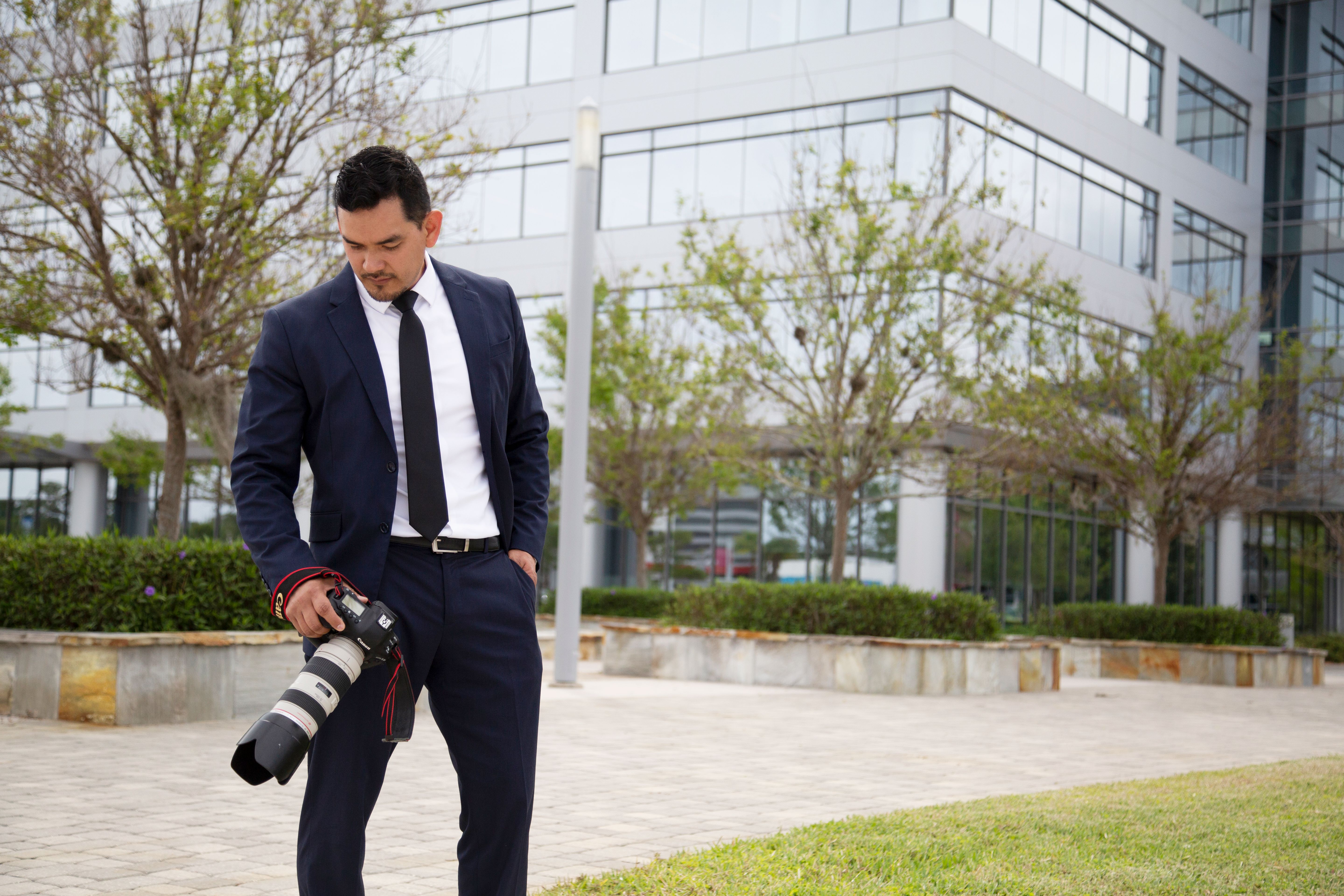
A trade show stand is a compressed sales environment: product, people, graphics, demonstrations and conversations all compete for attention. Useful photography makes those elements legible after the event, when a sales team needs images for follow-up, a marketing team needs proof of presence, and a brand team needs a small library of reusable assets. The strongest brief is not simply “cover the booth.” It defines what the images must help the business do, confirms what may be photographed at that particular event, and identifies who can approve the pictures.
For exhibitors planning a show in the UAE, the first rule is to treat venue and organiser policies as event-specific. A published WETEX 2026 exhibitor contract, for example, permits exhibitors to photograph or video their own displays, while restricting direct images of other displays unless written permission is obtained from both management and the exhibitor. That is a useful planning signal—not a universal rule for every UAE show. Check the current manual and written instructions for the named event, venue and stand before booking coverage.
Start with the commercial job, not the camera list
Ask what the photography needs to accomplish in the days and weeks after the show. Is the priority to show the scale and design of the stand, introduce the people representing the company, explain a product demonstration, support sales follow-up, or give the communications team a record of participation? A single assignment can support more than one goal, but each needs a visible image outcome.
Translate the goal into a compact image brief. “Get some atmosphere” is difficult to evaluate; “show the new product in context, capture the stand branding cleanly, and make a few natural interaction images with people who have agreed to be photographed” is actionable. For every priority, record the intended audience, the preferred visual treatment, any exclusions, and the intended channel. A sales enablement image and a public social post may need different framing, context or approval.
Build a shot list around the stand’s story
Organise the list into a few functional groups rather than a long inventory of camera angles. A useful B2B set often includes an establishing view that makes the stand recognisable, detail photographs of products and graphics, images of demonstrations or working displays, and selected people-focused frames. Include a clean image of key branding with minimal background distraction, plus wider frames that show how the stand sits within the exhibition environment—only where event rules allow it.
Give each item a priority: essential, useful, or optional. This helps the photographer and the on-site contact make decisions when the stand is busy or a product is unavailable. Note the exact name and visual identity of any priority product; call out packaging, labels, screens or prototype elements that must not be shown. For a demonstration, explain what changes during the sequence and which moment best communicates the benefit, without asking the photographer to make claims the product team has not approved.
Check permissions before the show opens
Permission is not a single checkbox. Confirm access to the event and stand, whether professional photography requires registration or prior approval, what the organiser permits around neighbouring booths, and whether any restrictions apply to flash, tripods, equipment or live demonstrations. Ask the organiser or venue contact for written guidance; conditions can differ by event, hall and exhibitor agreement.
UAE government visitor guidance advises people not to photograph others without their permission. Treat this as a practical baseline for the brief: identify who may appear, who will ask, how consent will be recorded, and what the photographer should do if someone declines. For commercial coverage, arrange releases or other written permissions where the event’s rules, the intended use, or the people involved call for them. Do not assume a registration badge or general event notice replaces the specific permission needed for an identifiable image.
The distinction between event policies matters. The WETEX 2026 contract is one current example of an organiser restricting photography of other exhibitors’ displays. A separate Dubai World Coffee policy for its 2025 event set its own requirements for commercial photographers, including disclosure of the client and project, consent for booth imagery, and respect for requests not to be filmed. These examples should prompt a policy check, not be copied as blanket UAE-wide rules.
Plan around the exhibition timetable
A stand changes through the day. The most efficient schedule usually protects a quiet window for clean wide views and product details, then leaves time for people and demonstrations when the stand is active. Confirm exhibitor access times, stand readiness, demonstration slots and any organiser-controlled media windows. Add a contact who can make quick decisions if branding, products or the schedule change.
If the stand is being built or refreshed shortly before opening, agree what “ready” means: surfaces clear, labels facing camera, screens on the correct content, products in their final arrangement and non-public paperwork removed. Assign someone from the exhibitor team to reset the area between frames. This small operational detail can be more valuable than extending the shot list.
Set expectations for people and approvals
People make a booth feel active, but candid coverage should not be confused with unrestricted use. Decide whether the brief calls for portraits, team interactions, demonstrations, or general atmosphere. Explain the intended use to people being photographed, and coordinate with the event organiser and the exhibitor’s authorised representative. If an attendee asks not to be photographed, honour the request and keep that person out of frames where practical.
Choose a single approval contact and a backup. The contact should know which product facts, names, partner marks or unpublished materials require review. Agree a simple escalation path for uncertain images: hold the frame from delivery until the exhibitor confirms whether it can be used. This protects the business from avoidable rework and keeps the photographer from being asked to make legal or brand decisions on the floor.
Agree delivery before the first frame
A complete brief describes not only what to photograph but what the team will receive. Confirm whether the assignment calls for a small rapid selection for time-sensitive follow-up, a final edited set, or both. Define file formats, image dimensions or channel crops only when the destination is known; otherwise, keep a high-quality master and create channel versions as a separate, controlled step. Identify who receives the files, how they will be named, and whether any images are embargoed until a launch or announcement.
Avoid promising a specific volume of images without considering the pace of the show, the number of priority scenes and the time available for review. Agree how selects will be made and whether basic colour and exposure correction, detailed retouching or caption information is expected. Good scope makes the budget and turnaround easier to compare, and gives both sides a clear definition of completion.
A practical pre-show checklist
State the business objective and the audience for the images.
Confirm the event’s current organiser, venue, access and photography rules in writing.
Prioritise the stand, product, brand and people images; flag anything confidential or not yet approved.
Name an on-site decision-maker and a person responsible for consent and stand readiness.
Schedule quiet stand images, active moments and demonstrations around the published show timetable.
Specify delivery, review, usage, file handoff and any release or hold-back requirements.
Make the image set useful after the exhibition
Before sharing the photographs, check the selected frames for legible branding, accurate product detail, unintended neighbouring displays, confidential screens or documents, and people whose permission is unclear. Keep the approved selection together with captions or product names where useful, so colleagues can understand what each image shows without guessing. Separate images cleared for external marketing from frames intended only for internal records.
The goal is a small, well-planned collection that supports real follow-up—not a folder full of near-duplicates. If your team is preparing an upcoming exhibition, EquiFilms provides both film and photography. You can explore the [EquiFilms page](https://www.equigroup.ae/equi-films) and [contact the team](https://www.equigroup.ae/contact) with the event, stand goals and likely deliverables.
Sources and further reading
UAE Government: Social responsibility and photography guidance
WETEX 2026: Terms and Conditions of Exhibition Space Contract (event-specific exhibitor rules)