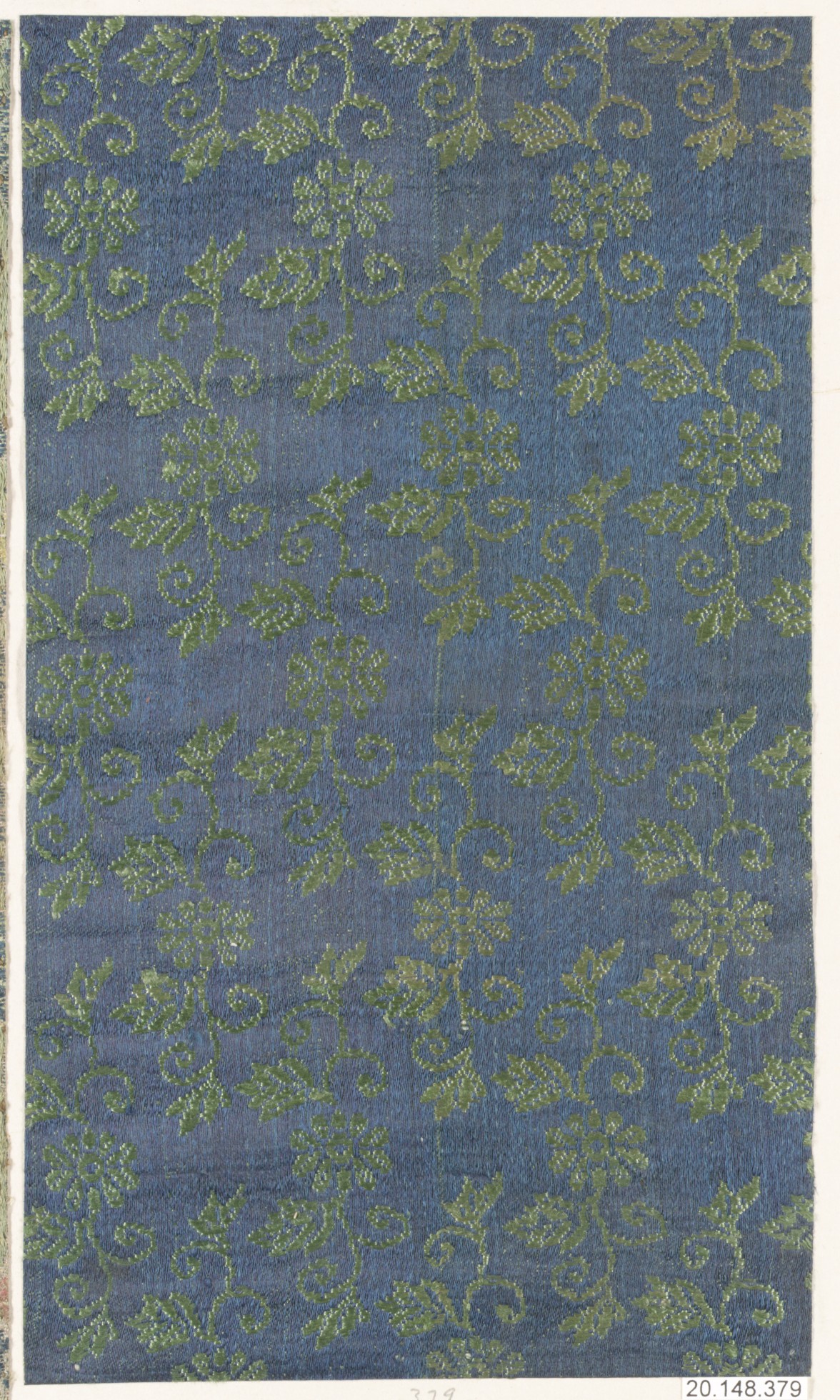
Textile collection photography is most useful when it answers a clear catalogue question: what does the whole object look like, what details distinguish it, and can a viewer compare this image with other records in the collection? For UAE museums, galleries, archives and design collections, the brief should establish consistent overview images, a small set of purposeful detail views, approved handling and access conditions, and a delivery package that fits the institution’s catalogue and publishing needs. The goal is faithful visual documentation—not a substitute for conservation assessment or curatorial interpretation.
Start by defining what each image must communicate
A catalogue image and a detail image perform different jobs. The catalogue view should make the textile’s overall shape, pattern and dominant colours easy to understand. A supplementary view can show a weave, seam, border, selvedge, label or area of construction when that detail is relevant and the collection team approves access to it. A crop should never silently replace the whole-object view: the viewer needs context before magnification.
Write down the intended audience and destination before deciding on the shot list. Internal collection management, a public collections page, an exhibition label, a scholarly publication and a retail or campaign use can call for different crops, resolutions, captions and permissions. If the same frame is expected to serve every purpose, specify a master capture and the derivatives needed from it rather than editing the only file to one channel’s dimensions.
For each object, agree how it should be identified in the image record: accession or inventory number, approved object name, date or period where supplied by the institution, and a neutral caption. The photographer should not infer maker, origin, technique, cultural significance or condition from appearance. Those fields belong to the institution’s verified catalogue information.
Treat colour and surface as separate photographic challenges
Textiles can combine matte and reflective threads, pile, folds, embroidery and uneven surfaces. One lighting arrangement may render the overall colour well yet flatten the texture; another may reveal texture while making a metallic thread or satin area appear brighter than it reads in person. The brief should therefore prioritize an accurate, balanced overview and identify any supplementary texture view as such.
The Canadian Conservation Institute’s guidance on object photodocumentation emphasizes repeatable capture choices, including lighting, camera settings and white balance. Its lighting resource describes even, controlled illumination as a useful approach for general object images, while also explaining that directional or specular light can reveal surface characteristics. These are methods to assess with the collection team, not a one-size-fits-all recipe: the material, mounting, condition and display constraints all matter.
Ask the institution to approve the working arrangement and any lighting or exposure limits before a shoot. Fragile or light-sensitive material may require restrictions set by a conservator or registrar. Avoid filters, strong saturation changes, selective recolouring and retouching that alters the object’s appearance. If a colour reference or scale is required, agree its placement and the frames in which it belongs; keep a clean catalogue view available as well.
Plan the sequence around access, not just camera time
Before the session, confirm the object list, location, access window, mounting or support already approved by the institution, and who is authorised to handle or reposition each piece. The photographer’s brief should explicitly leave object handling decisions with collection staff. Do not assume that an object can be turned, unfolded, suspended or removed from a mount simply because a reverse or edge view would be useful.
A practical sequence is to establish the approved overview first, review focus and framing with the collection contact, then make only the requested detail views. Record any views that could not be made and why, so the absence is not mistaken later for an oversight. For a group of related textiles, use the same orientation and framing conventions where practical; consistency improves browsing and comparison, while object-specific exceptions should be documented.
The Federal Agencies Digital Guidelines Initiative’s cultural heritage imaging guidance is a useful reference for institutions setting image-quality and conformance requirements. It does not mean every assignment needs a formal FADGI conformance claim. Ask whether the client has a required technical target, colour space, resolution, master-file format or quality-control process. If they do, quote and test against that documented specification rather than promising an unsupported standard.
Make the handover searchable and reusable
A strong capture can still be hard to use if filenames and metadata are ambiguous. Agree a filename pattern before delivery—often an institution’s identifier plus a view label—and make sure each derivative remains linked to its master. Include the institution-approved caption and credit information in the handover sheet or metadata fields it requests. Do not overwrite supplied catalogue data or embed speculative descriptions.
Separate the high-quality master from web-ready derivatives, preserve the agreed colour profile, and provide a contact sheet or index so staff can review the set without opening every full-size file. The Library of Congress’s recommended formats for still-image works and FADGI’s guidance can inform an institution’s own preservation and digitization policy; they are reference points, not automatic requirements for every photography commission.
Rights and access should be settled at the project level. Confirm who may commission the work, where the images can appear, whether object or loan conditions limit reproduction, what credit line is required, and whether the institution needs a review before publication. These arrangements vary by collection and lender; a photographer should not present a general UAE-wide rule in place of the specific written instructions for the objects and venue.
A concise pre-shoot checklist
Approved object list, catalogue identifiers and captions supplied by the collection team.
Intended uses, audience, publication channels, image count and requested view types.
Written access, reproduction, credit and review conditions for each object or loan.
Handling, mounting, lighting and exposure limits confirmed by the registrar or conservator.
Agreed camera orientation, framing, scale or colour-reference requirements and exceptions.
Delivery specification for masters, derivatives, filenames, metadata, colour profile and review.
Named institutional contact for approvals and a record of views that could not be captured.
For a project in the UAE, confirm the actual venue and collection arrangements early; an Abu Dhabi institution, a Dubai gallery and a private collection may each have different access, approvals and image-use terms. This practical brief is not legal or conservation advice. It is a way to make the creative scope, institutional requirements and image handover explicit before production begins.
Authoritative references
Canadian Conservation Institute — Digital Photodocumentation of Museum Objects
Canadian Conservation Institute — Lighting Techniques for Photographing Heritage Objects
Library of Congress — Recommended Formats Statement: Still Image Works