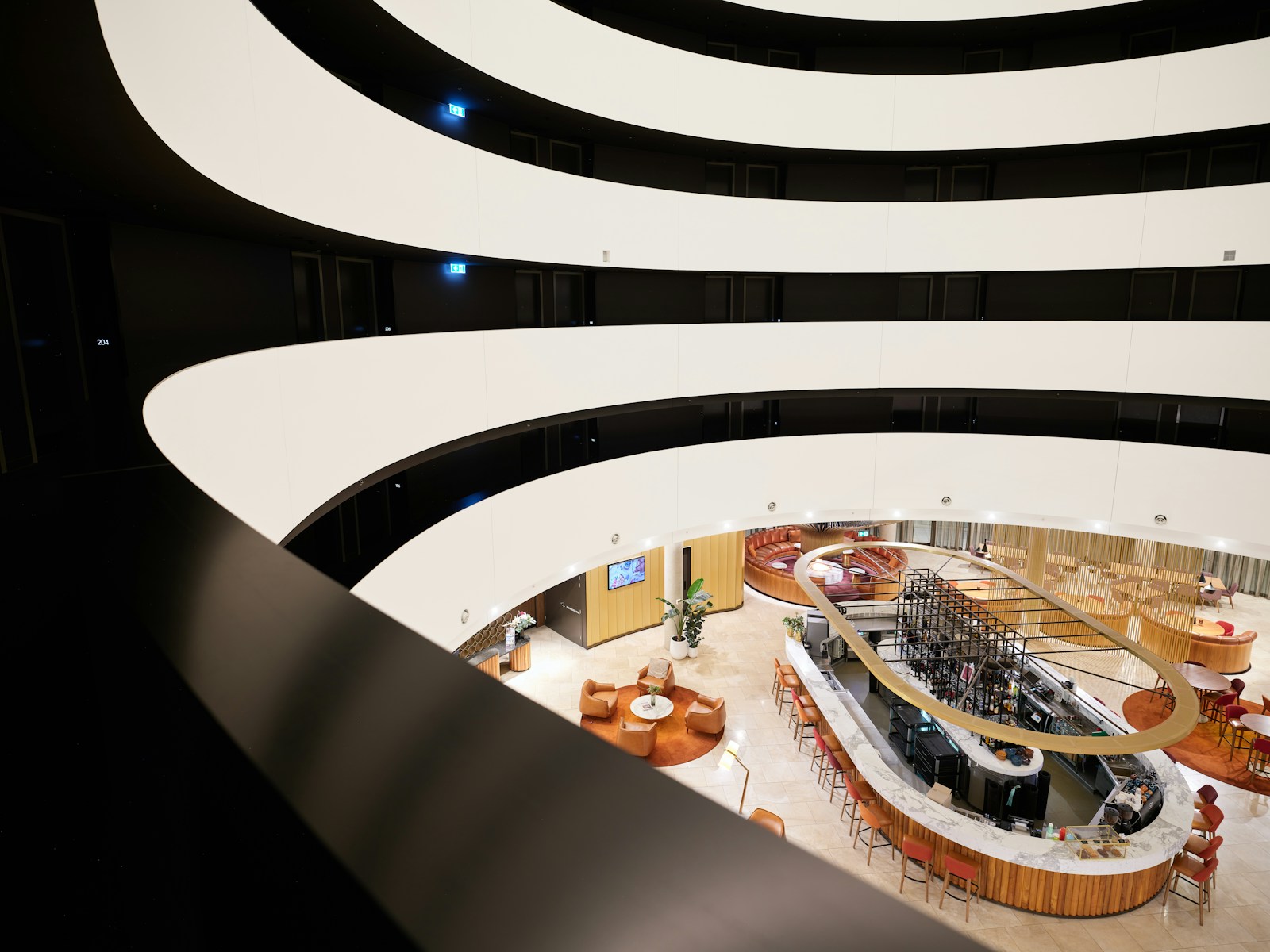
Property-listing photography in Dubai should do more than make a home look attractive. It should help a prospective tenant or buyer understand the space, condition, layout and setting well enough to decide whether a viewing is worthwhile. A strong image set is therefore an information sequence: clear, consistent and faithful to the property. In Dubai, it also sits inside an advertising workflow. The Dubai Land Department (DLD) lists electronic property advertisements among its real-estate ad permit services, while RERA requirements govern what the final ad may say and display. The practical approach is to brief the photography separately from the ad approval, then connect them through a careful release check.
Start with the decision the images should support
Before discussing style, identify what a viewer needs to assess. Is the property furnished or vacant? Does the listing need to show a practical layout, a particular finish, an outdoor area or a view? Which features are confirmed and available to the occupant? These questions shape the order and emphasis of the photographs. The goal is not to make every room look larger or more luxurious; it is to reduce uncertainty while giving the property a coherent presentation.
Write a short visual objective for the shoot and use it to rank the must-have frames. A family apartment, a compact investment unit and a spacious villa do not need identical coverage. The brief should identify the intended listing audience without asking the photographer to imply facts that the property cannot support. If a feature is seasonal, shared, under maintenance or subject to a separate fee, make that clear to the marketing team rather than leaving the image to carry an inaccurate impression.
Design a sequence, not a pile of room pictures
A useful gallery gives someone a mental walk-through. Start with an honest exterior or building context where it helps identify the property, then move into the entrance and main living area. From there, show the kitchen, bedrooms, bathrooms and any distinctive spaces in a logical order. A balcony, garden, view or shared amenity belongs in the set only when it is part of the actual offer and can be represented accurately.
Plan images by their job rather than by the number of rooms. A cover frame should identify the listing at a glance. Wider views establish flow; closer frames explain materials, storage or a finish that matters; an exterior or amenity frame can orient the viewer. The sequence should distinguish this unit from the next one in the same building. That is especially useful when a broker manages several similar layouts: image labels and a room-by-room capture list help prevent a photograph from being attached to the wrong listing.
Choose a lead image that clearly represents the advertised unit, not a generic building shot.
Show principal rooms in an order that makes the layout easier to follow.
Capture material and fixture details only where they help explain the property.
Include views, outdoor spaces and amenities only when they are accurate and relevant.
Keep separate units, layouts and furnishing states identifiable throughout capture and delivery.
Give the photographer a reliable information pack
Preparation begins with a confirmed property and a named contact who can authorize access. Share the unit identifier, current listing description, available floor plan, approved features and any areas that are off limits. Flag occupancy, housekeeping, maintenance work, access windows and whether the property will be furnished or staged. If residents, staff or personal belongings could appear, agree in advance how those details will be handled.
A written shot list should be specific enough to guide coverage but flexible enough to respond to the actual space. Mark required views, optional details and any frames that depend on access or weather. Note channel needs—property portal, agency site, social post or printed material—so aspect ratios and image counts are decided before delivery. Ask who approves the final selection, which listing facts are authoritative, and how fast a correction can be made if a unit changes status.
Photograph the property faithfully
Strong real-estate images use composition to make a space legible, not to disguise it. Keep vertical lines controlled, show doorways and circulation where they clarify the layout, and choose viewpoints that communicate scale without an exaggerated wide-angle effect. Exposure should preserve useful detail in both a bright window and the interior where possible. A frame that makes a modest room feel unrealistically expansive may attract a click but can undermine trust during a viewing.
Before the shoot, decide what “ready” means: surfaces cleared, lights working, curtains arranged, maintenance completed and personal information put away. If a room is not ready, record the limitation and decide whether to reschedule or leave it out. Styling can help a viewer understand how a space is used, but it should not suggest furniture, appliances or fixtures are included when they are not. Avoid removing permanent features, digitally changing a view or combining images in a way that invents a condition the viewer will not encounter.
Keep Dubai ad approval in the release workflow
The photographer’s commission and the real-estate advertisement are related, but they are not the same task. DLD’s current Real Estate Ad Permit service includes electronic, printed and other advertising formats. RERA’s Circular 2-2022 says real-estate companies marketing property through advertising channels should obtain an official permit, display its number, identify the advertising company and keep the ad’s information accurate and consistent with the permit. DLD’s Madmoun QR-code announcement further describes QR codes on real-estate ads as a way for viewers to verify approved information.
For a Dubai listing, agree who owns the permit and final-ad check—typically the licensed broker or advertising company, not the photography crew—and confirm which approved details, permit number and QR code belong in each published version. Keep the clean photographic master separate from the finished ad artwork so the image can be reused without losing the required identifiers. Requirements are jurisdiction-specific: a Dubai workflow should not be presented as a rule for every UAE emirate. For properties elsewhere, ask the relevant local authority and the responsible broker or advertiser what applies. This is a planning guide, not legal advice.
Edit, label and deliver for the listing team
A disciplined post-production pass should correct exposure, white balance, lens distortion and minor sensor dust while keeping the property recognizable. Use a consistent treatment across the set, but do not let colour grading turn a finish into a different shade or make a view appear to be the one outside the window. If digital staging or object removal is proposed, obtain the necessary approval and ensure the final advertising treatment is transparent and acceptable to the broker and platform.
Deliver files in a structure that supports reliable publishing: one folder per property, descriptive filenames, a selected cover image, a full-resolution master set and exports sized for the channels in the brief. Identify rooms or features consistently; avoid filenames that introduce unverified claims. Include a simple use-rights note so the client knows which channels, territories and duration the photography may cover. When an ad is updated, retain the approved version and replace outdated imagery promptly so a previously accurate set does not become misleading.
Pre-publication checklist
Confirm the exact unit, access, property condition and person authorized to approve the shoot.
Match the shot sequence to the verified listing description and the viewer’s likely questions.
Check that no image belongs to another unit or shows an unavailable feature as included.
Review edits for accurate scale, colour, view and condition; flag any staged or materially altered frame.
Agree who confirms the Dubai permit number, QR code and final ad wording before publication.
Prepare channel-specific crops without cutting off important property context or required ad identifiers.
Keep the current approved gallery, usage rights and revision history with the listing record.
A property gallery is most persuasive when its visual clarity and factual accuracy reinforce one another. A brief that connects the listing’s real features, the order of the images and the eventual advertising workflow helps the photographer deliver files that the broker can use with confidence. For a wider visual brief that combines stills and motion, explore EquiFilms’ film and photography production; to discuss a project, contact EquiGroup.
References: DLD Real Estate Ad Permit service; RERA Circular 2-2022 on real-estate advertising conditions; DLD Madmoun QR-code announcement.