A shoot-ready insurance file is more than a certificate tucked into a production folder. It is a way to check that the project described to an insurer, a location owner and any incentive administrator is the same project the crew is about to make: the correct production, people, dates and places, with evidence available when requested. For Abu Dhabi productions, one important reference point is the Abu Dhabi Film Commission’s rebate guidance. Its requirements apply to applicants seeking that incentive; they should not be misread as a universal insurance rule for every shoot in the emirate.
That distinction matters. The ADFC guideline asks rebate applicants for a project-specific insurance binder, proof of public liability insurance and workmen’s compensation liability insurance identifying personnel engaged in the Abu Dhabi project, or evidence of an intention to obtain the same. It says policies should cover the entire Abu Dhabi production period. Separately, Dubai Film and TV Commission permit terms require the permit holder to maintain comprehensive insurance including adequate public liability for filming at the permitted location. Those are different contexts and emirate-specific conditions, not one blanket UAE standard. Check the current terms for the project, permit and venue. This article is operational information, not legal or insurance advice. Read the ADFC Rebate Guidelines directly, alongside the Dubai Film and TV Commission permit terms.
Start with the purpose of the evidence
Before requesting documents, identify why they are needed. Is the production applying for an Abu Dhabi rebate? Does a specific public or private location require evidence as a condition of access? Is the client contract asking for a certificate with named entities or minimum limits? Is a production service provider assembling a project file for another producer? Each request may have a different recipient, wording and deadline. Keep separate requirements in a simple register rather than treating insurance as one generic permit attachment.
Record who asked for the evidence, the rule or contract clause they cited, the project entity responsible for supplying it and when it must be delivered. For an Abu Dhabi incentive application, use the current ADFC guidance and verify the applicable application stage. A venue’s own requirements should come from that venue or the relevant authority. A policy certificate can summarize coverage, but it does not replace the policy wording or answer every question about exclusions, insured parties or activities.
Match the binder to the production that will actually happen
Ask the broker or insurer to confirm that the policy documents describe the right project. Compare the production title, format or type, insured applicant and producer, territory, dates, and scheduled work against the current production plan. If an application uses a different applicant from the producer, make sure the relationship between them is documented as required by the relevant programme. For a rebate file, the ADFC checklist calls for the binder to detail the production title, type and dates, plus proof of payment; it also identifies public liability and workmen’s compensation liability evidence.
Names and dates are easy to overlook when a plan changes. A shoot that adds a day, shifts to another site, extends into post-production, or brings in additional personnel may need the broker to review whether existing evidence remains accurate. Do not assume a certificate automatically changes when the schedule changes. Route revisions through the production’s designated insurance contact before the new activity takes place.
Treat crew records as a live document
The Abu Dhabi rebate guidance describes workmen’s compensation liability evidence that specifies the personnel, including cast and crew, engaged in the project in Abu Dhabi, or evidence of an intention to obtain it. That makes the crew list a coordination document, not just a casting or call-sheet artifact. Give the responsible broker or production administrator one controlled roster and a clear update process so that the names and work period in the evidence can be reconciled with the plan.
A practical approach is to nominate one owner for the insurance register and one source of truth for the crew list. When a new supplier, freelancer, performer or replacement joins, confirm who is responsible for their cover and what documentation the site or programme expects. Avoid circulating identity details more widely than necessary: send personal information only through approved channels to the parties who need it, and follow the production’s privacy and data-handling process.
Separate core liability from optional production risks
Public liability and workers’ compensation are not substitutes for cover on every production exposure. Depending on the project, contract and insurer’s wording, a producer may also need to ask about hired or owned equipment, sets and props, wardrobe, cast interruption, media or faulty stock, extra expense, vehicle use, aerial work, water activity, stunts or other specialist work. This is a discussion list, not a statement that every policy includes these items or that every production needs them.
Describe the actual activity to the broker early and in plain language. A camera package, a location, an action sequence or a special effect can have different treatment depending on the contract, limits, exclusions and underwriting. Ask what is included, what is excluded, what needs advance notice, and which party must insure each item. Do not infer cover from a production budget line, rental agreement or supplier’s verbal assurance.
Build a concise pre-shoot evidence checklist
For each location and production phase, keep a checklist that can be reviewed without searching through email threads:
Current policy schedule or binder showing the correct project entity, production title and relevant dates.
Evidence of the liability cover requested by the applicable incentive, permit, client contract or location owner.
A controlled cast-and-crew roster reconciled to any required personnel schedule, with a named owner for updates.
Proof of premium payment or evidence of intended cover where the applicable Abu Dhabi rebate documentation permits it.
Written confirmation that planned activities, equipment and locations have been disclosed to the broker and are treated as intended.
A record of who received the documents, when they were sent and whether anything remains outstanding.
For a multi-emirate schedule, make the register location-specific. A permit or venue condition in Dubai does not automatically define the requirement in Abu Dhabi, Sharjah or another emirate. Likewise, one location owner’s contract may ask for more than the authority’s published terms. Reconfirm requirements when the filming location, responsible permit holder or production period changes, and keep written replies with the project file.
Coordinate production, locations and approvals
Insurance paperwork works best when it is linked to the production plan. The schedule, location list, permit applications, crew records and policy evidence should use consistent project names and dates. A production coordinator can maintain a simple change log: what changed, who approved it, which authority or venue needs to know, and whether the broker must reissue or endorse evidence. This does not guarantee a claim will be covered; it reduces avoidable mismatches and makes questions easier to resolve before a shoot day.
If you are planning a commercial film in Abu Dhabi, EquiFilms’ production team can discuss the creative and practical brief and help map the production questions to resolve before filming. Start with the EquiFilms page or contact EquiGroup. For policy interpretation, limits, exclusions and claims, obtain advice from a qualified insurance professional and confirm permit or incentive requirements with the relevant authority.
Discuss a Film Production Brief
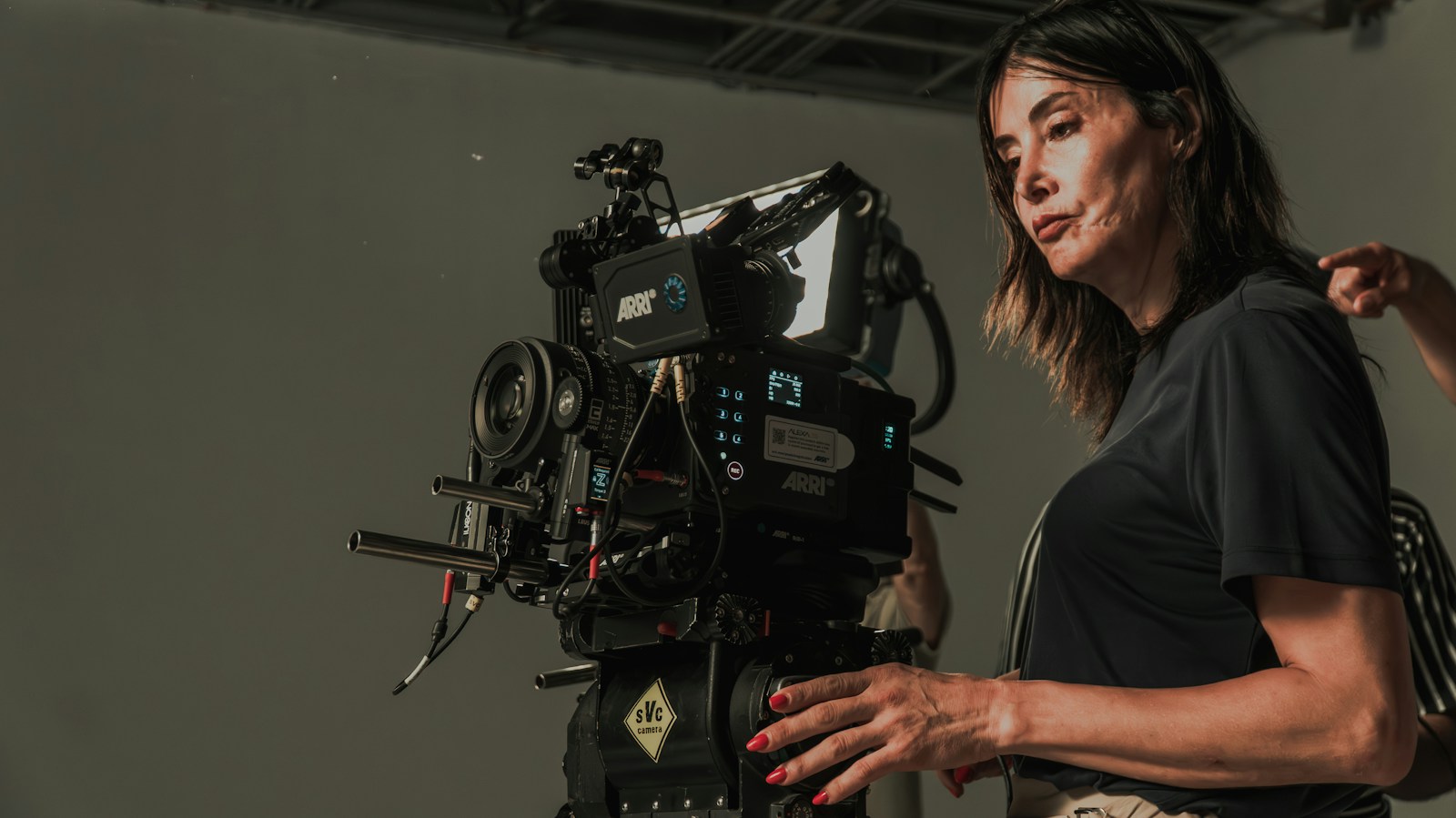
Cover image: Unsplash editorial photograph, used under the Unsplash License; it is illustrative and does not depict an EquiFilms production.