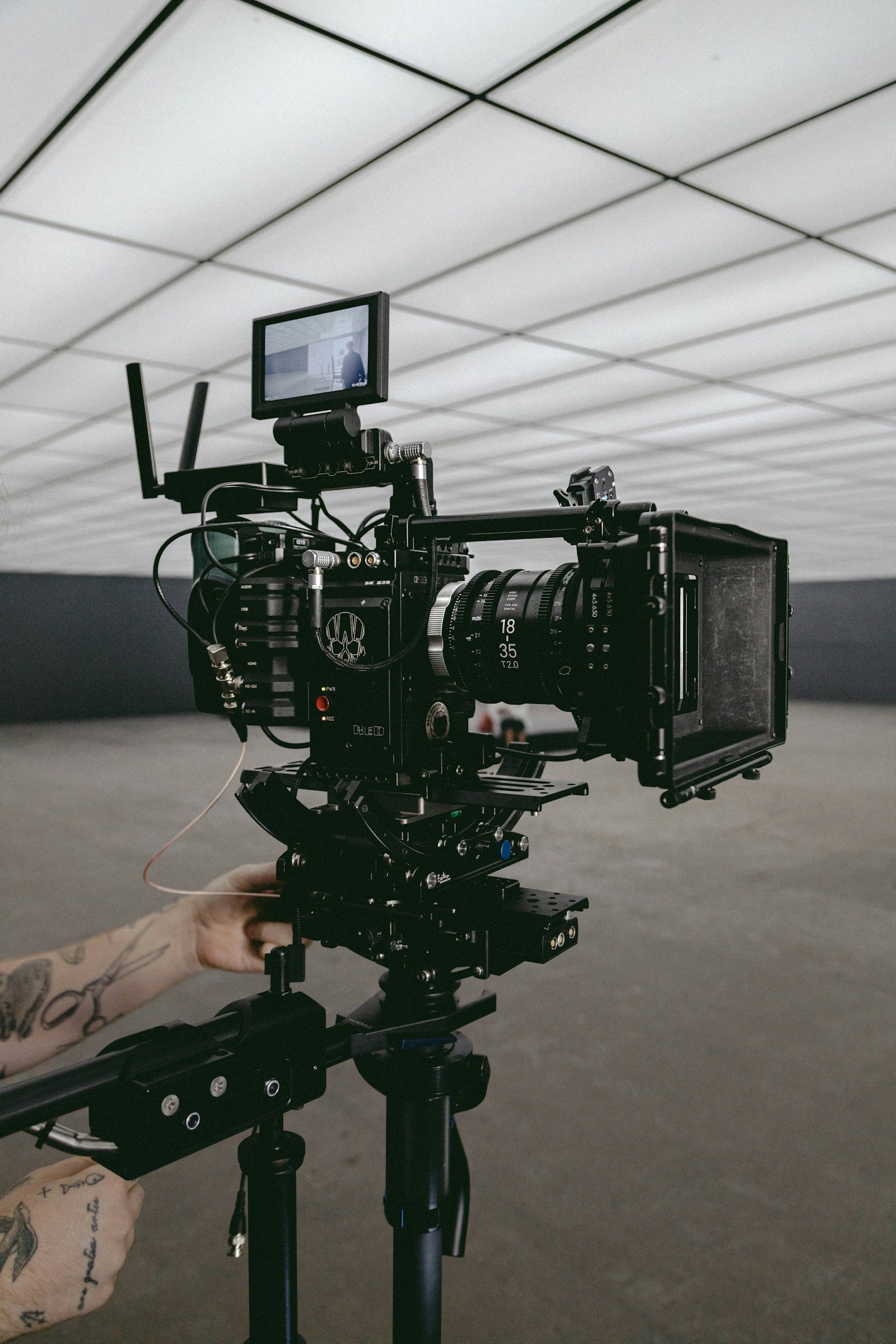
A commercial video shot list is more than a catalogue of camera angles. In Abu Dhabi, it is the practical bridge between the creative idea, the approved schedule, the locations, the crew and the deliverables that must work after the shoot. A useful shot list protects the story while giving the production team enough structure to avoid rushed decisions, missing coverage and unnecessary overshooting.
This guide explains how to build a commercial shot list that is specific enough to keep a production aligned and flexible enough to respond to real locations, talent, light and access. It is intended for brand teams and producers commissioning commercial video in Abu Dhabi. It is not a substitute for location, permit, safety or legal advice.
Begin with the communication job
Before listing shots, write one sentence describing what the viewer should understand, feel or do. Then identify the proof points that make that promise credible. A product demonstration may need clear details and use moments; a brand film may need atmosphere, human behaviour and a visual motif; a corporate piece may need context, leadership, process and a confident closing frame.
Mark each proof point as essential, supporting or optional. This hierarchy prevents a production from filling the day with attractive shots that do not serve the brief. It also gives the editor a useful map when the schedule changes.
Organise the list by sequence and purpose
A practical shot list can be arranged by story beat, scene, location or production block. The right structure is the one the team will use on the day. For each shot, record the scene purpose, subject, action, framing, movement, sound requirement, preferred lens or visual reference, and the deliverable formats it supports.
Story beat: the narrative or communication function of the shot.
Subject and action: who or what is visible and what changes in the frame.
Framing and movement: wide, medium, close, tracking, locked-off, handheld or another intentional choice.
Sound: dialogue, natural sound, wild track, room tone or silent coverage for later design.
Priority: must-have, should-have or nice-to-have.
Output use: hero film, cutdown, vertical edit, website, presentation or still-frame option.
This level of detail is enough to align departments without trying to storyboard every spontaneous moment.
Plan coverage, not repetition
The most common shot-list mistake is repeating the same visual idea with minor variations. Instead, plan coverage that gives the editor choices: establish the environment, show the action, capture a meaningful detail, include a reaction or human consequence, and record a clean transition or ending frame. Coverage should create options, not volume for its own sake.
For a product or service, pair the hero moment with supporting details that answer likely questions. For a people-led story, capture listening, movement, interaction and quiet reaction rather than only statements to camera. These choices help a 30-second edit, a longer cut and social versions feel connected.
Build for every approved aspect ratio
A commercial may need a master landscape film, square or vertical social versions, a website hero and short cutdowns. Do not leave framing decisions until post-production. Identify which shots need safe space for captions, crops or graphic overlays and communicate those requirements before the camera rolls.
Flag shots that must protect central action for a vertical crop.
Capture clean plates or breathing room where titles may appear.
Avoid placing essential information at the extreme edge of the frame.
Record alternate takes when a line or action must work in a shorter cut.
Name the intended master and cutdown use in the shot list.
Make locations and approvals visible
A great shot that cannot be captured at the planned time is not production-ready. Add practical location notes to the list: access window, sound sensitivity, crowd or public interaction, power, weather exposure, movement of equipment and any property restrictions. Keep the notes high level and route sensitive operational information through the approved production documents.
Depending on the location, activity and capture method, filming permissions or coordination with the relevant authorities and property owners may be required. The UAE media-regulation framework covers cinema and creative productions, digital media and imaging. Producers should confirm the current requirements for the specific project rather than treating a shot list as a substitute for approvals.
UAE Government: Media regulation
Abu Dhabi Film Commission: Locations
Add sound and continuity prompts
Visual coverage is only half the editorial plan. Note whether a shot needs clean production sound, a line repeated for an alternate edit, a room tone recording, a prop reset or a continuity check. These prompts reduce avoidable gaps in post-production, especially when a film moves between locations or combines staged action with documentary-style moments.
If music, graphics, subtitles or a voiceover will carry key information, make sure the picture still supports the intended pacing. A shot list can flag where the edit needs a pause, a detail for emphasis or a clean transition into the call to action.
Use priority tiers to protect the day
A production day changes. Light moves, access is delayed, a contributor needs a break or a location becomes noisier than expected. Priority tiers help the team make an intelligent decision under pressure.
Tier one: essential shots that communicate the promise and must be completed.
Tier two: important support that strengthens the edit if time allows.
Tier three: optional texture, alternate angles or experimental ideas.
Review the tiers with the director, producer and client before the shoot. When everyone understands the trade-off, the team can protect the film instead of debating individual shots in the final hour.
Turn the shot list into a handover tool
The finished list should support three moments: the pre-shoot briefing, the shoot-day record and the post-production handover. Add a status column for planned, captured, pending or not required. After the shoot, attach file references or card notes where useful, but do not overload the document with sensitive material that belongs in a controlled production report.
Editors benefit from a concise explanation of the story purpose, priority shots, continuity concerns, clean audio and any agreed limitations. This makes the shot list a bridge between production and post rather than a document that disappears once the camera is packed.
A commercial shot-list checklist
Write the communication objective and proof points.
Separate must-have, supporting and optional coverage.
Describe action, framing, movement and sound for each priority shot.
Mark landscape, square, vertical and caption-safe requirements.
Record high-level location, access, approval and weather assumptions.
Add continuity, prop, clean-audio and transition prompts.
Confirm the priority tiers with the director, producer and client.
Plan the handover fields the editor will need after the shoot.
How EquiFilms approaches shot planning
EquiFilms develops shot lists as part of a connected creative and production process. The team can help translate a treatment into coverage, match the plan to the location and schedule, and keep the final deliverables in view from the beginning. The objective is not to make the document longer. It is to make every planned shot earn its place.
Explore EquiFilms film and photography
When you are ready, share the audience, objective, locations, intended formats and timing. A focused brief gives the production team the context needed to build a shot list that is ambitious, usable and realistic.
The strongest shot lists create freedom by removing uncertainty. They protect the essential story, give the crew a common language and leave enough space for the unplanned moments that make a commercial film feel alive.